

Opis
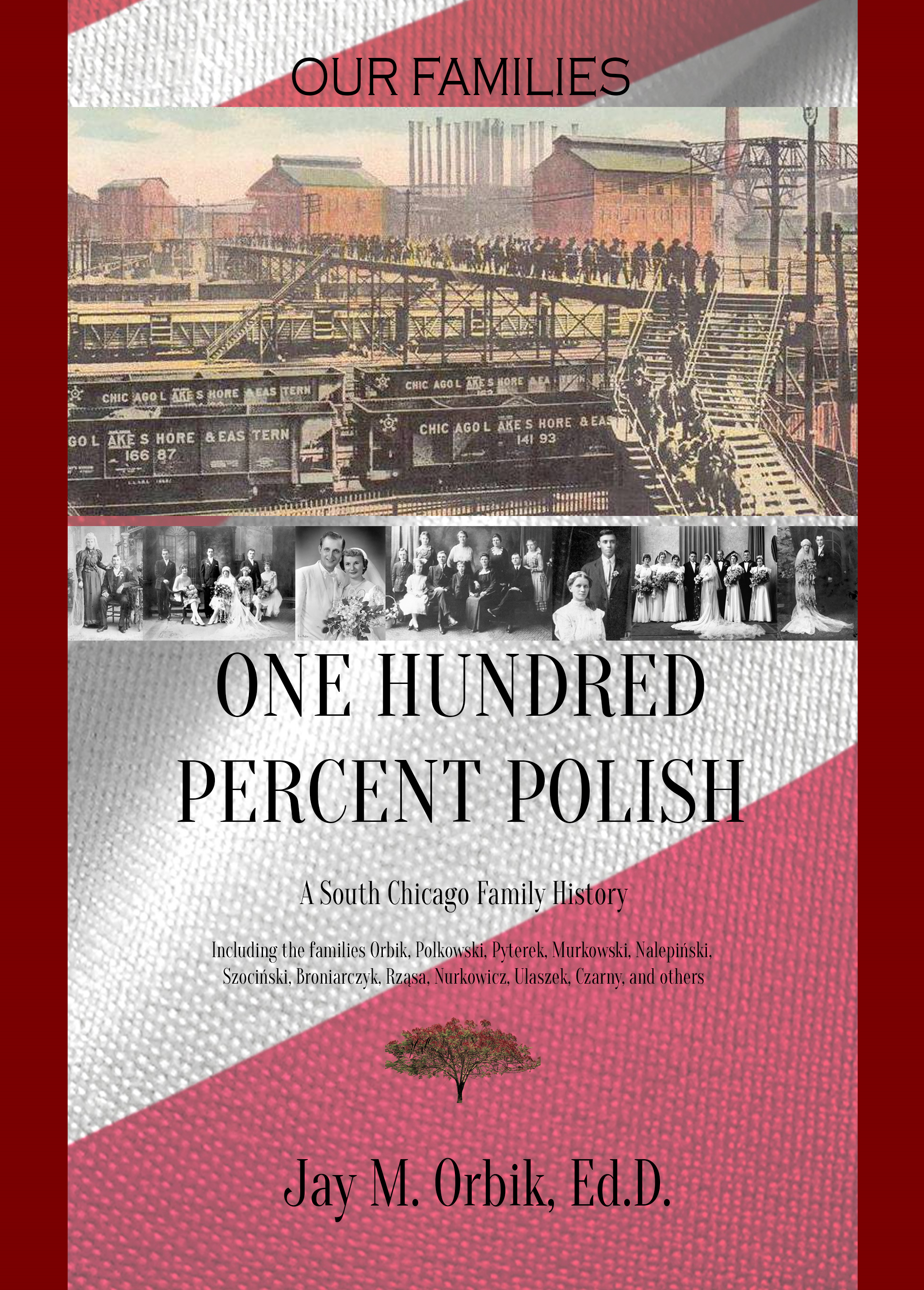
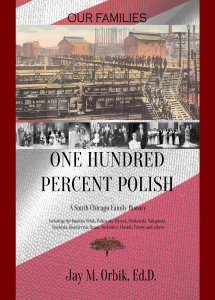
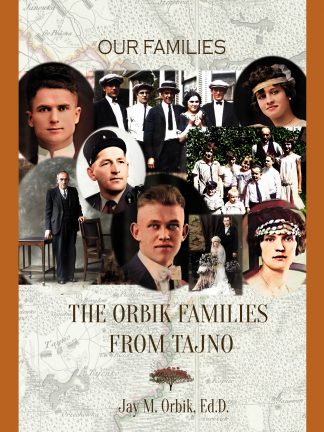
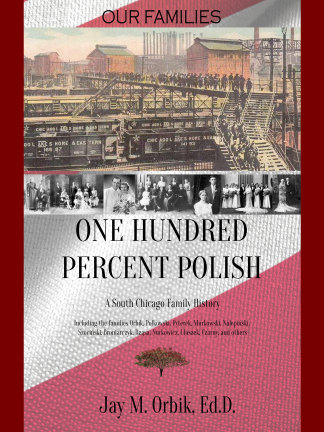
Author: Jay M. Orbik
Language: English
Edition: 1
ISBN: 978-83-963963-5-8
Pages: 410 (including 76 in color)
Format: 17 x 24 cm (B5)
Cover: hard, lacquered
More information
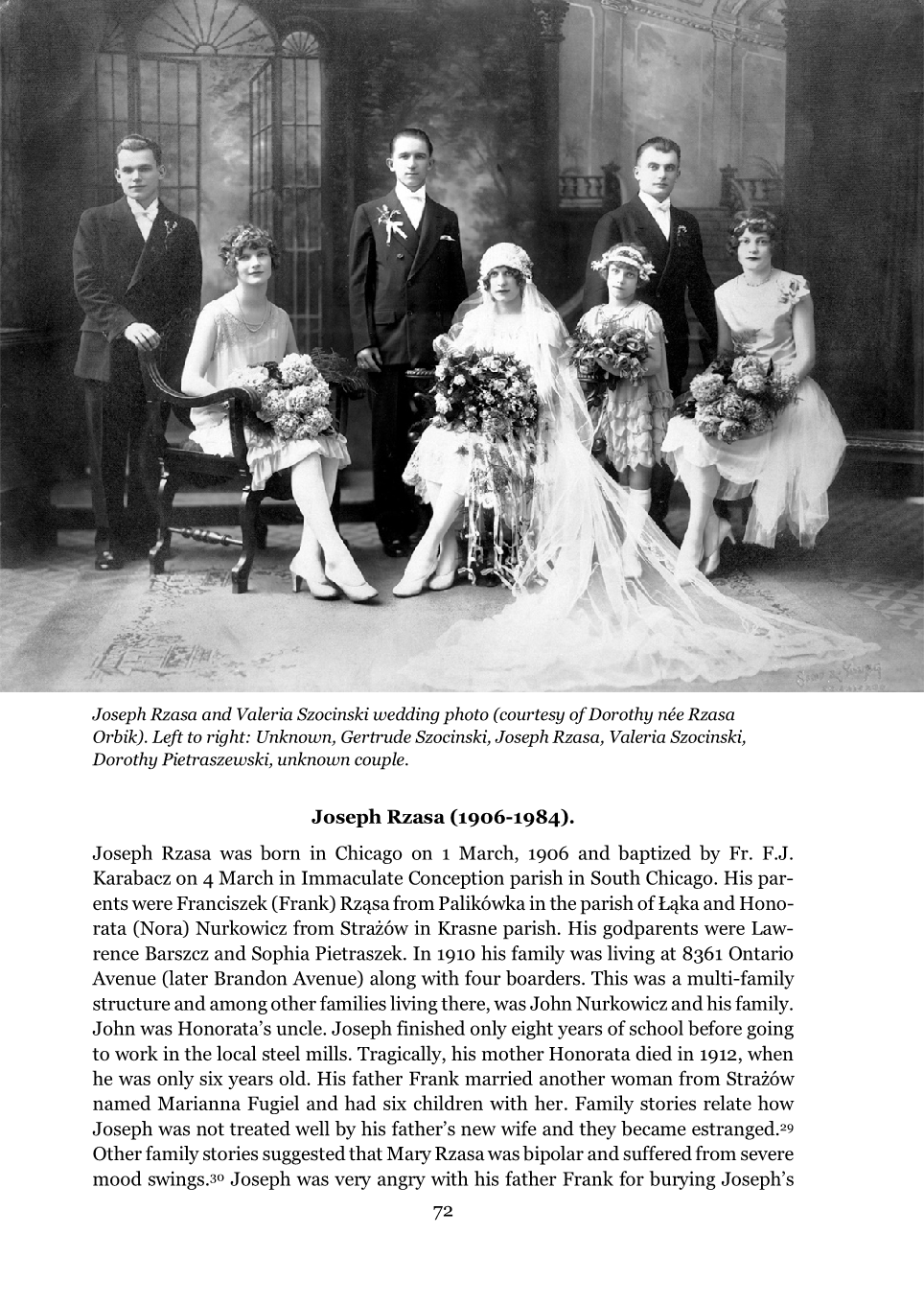
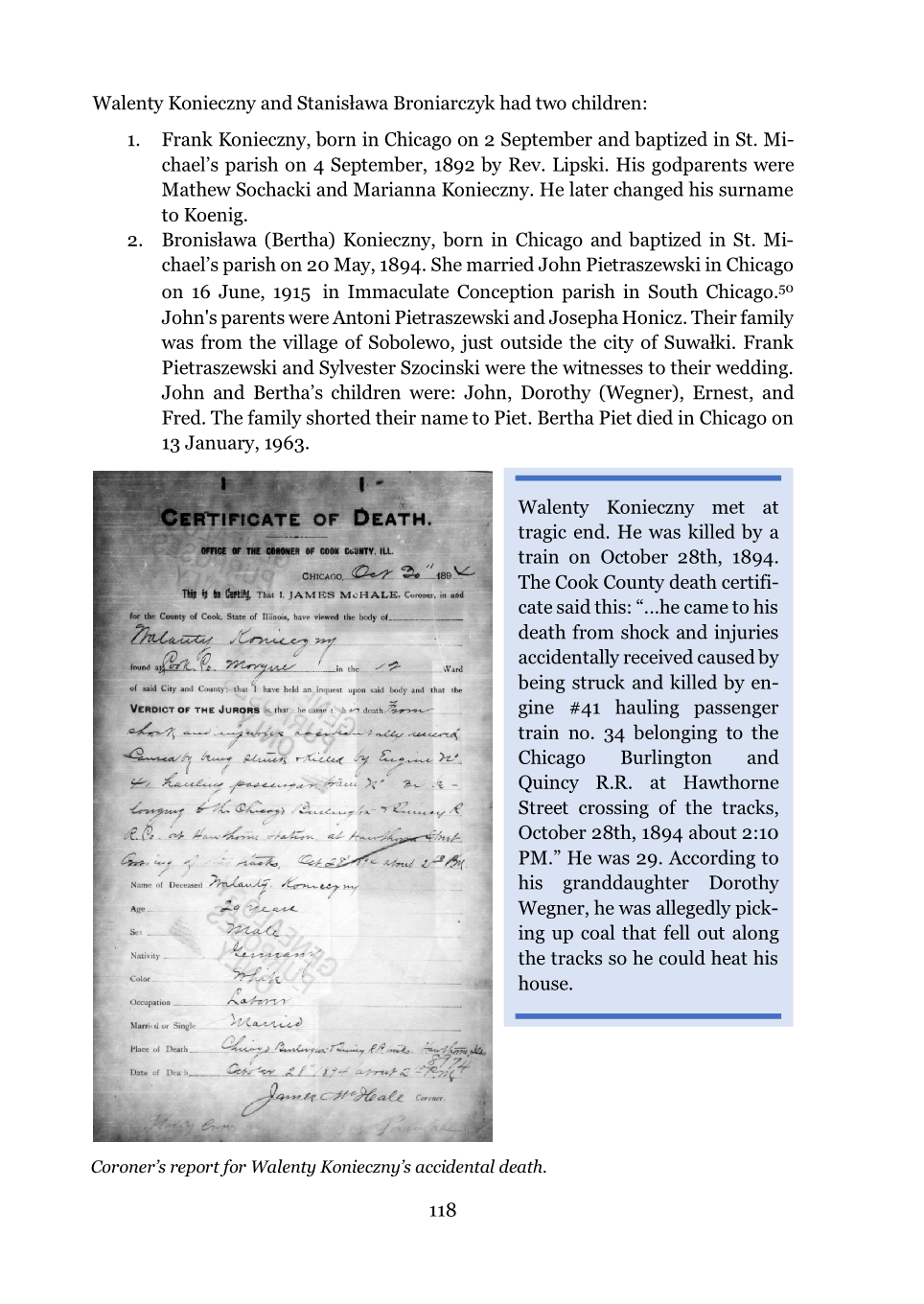
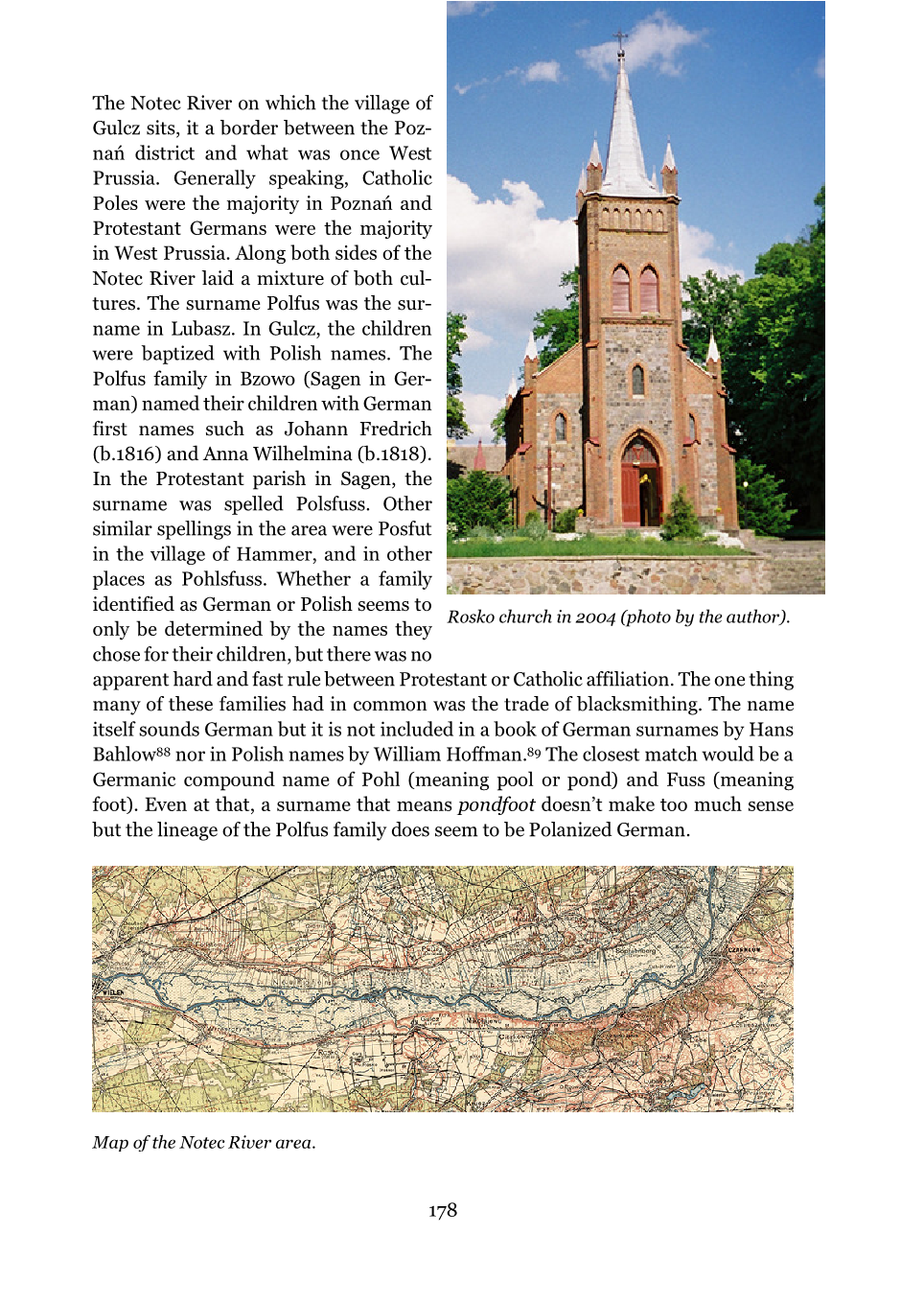
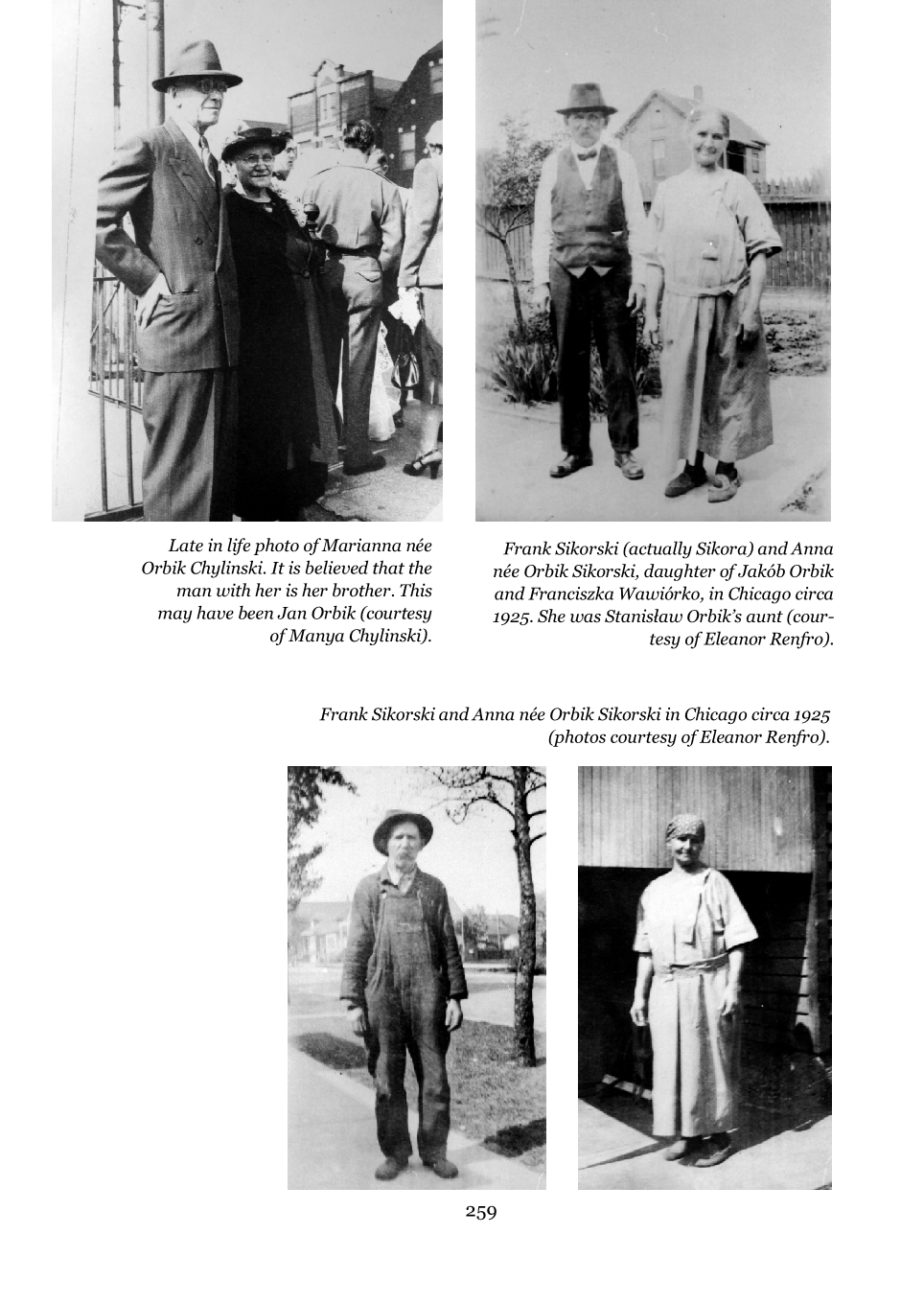
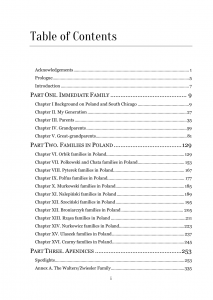
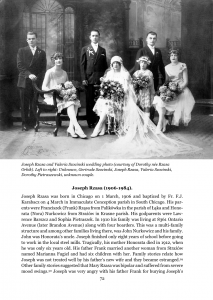
This book is a history of author's ancestors, all Polish, who came to Chicago in search of a new life. Most of them descended from peasants, but by the time of their immi-gration had achieved their freedom as the three partitioning powers abolished serfdom by the second half of the nineteenth century. This happened in 1807 in Prussia, 1848 in Austria, and in the western Russian provinces in 1864. A few had achieved some status as middle-class craftsmen, but most were farmers. The first to arrive were those from the Prussian partition as the new country of Germany emerged and began waging a culture war against ethnic minorities, including the Poles, and began forcing them off their land. They came in the early 1870s. Those from Galicia came to escape poverty as this was the poorest area of the Austro-Hungarian Empire. Some of them came to make enough money to return to buy farms. Some never naturalized and remained aliens. The Poles from the Russian partition came primarily to escape harsh Russian rule and conscription into the Russian army. Those who did became citizens as fast as they could.
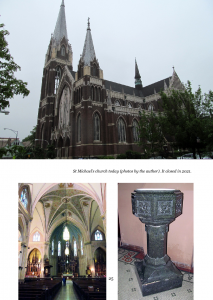
Many of them settled in different Polish neighborhoods of Chicago, but by the end of the first decade of the twentieth century, they all ended up in the steel-making neighborhood of South Chicago. Many of them worked for either the steel industry or supporting industries such as the railroads. They often held the worst jobs working for low wages and living in poor housing made worse by the pollu-tion from the steel mills. But with each generation came more education, better jobs, and a desire to move out of ethnic neighborhoods and join the melting pot of middle-class Americans. Today the steel mills of South Chicago are gone and no one in the family lives there anymore. Many live in the suburban counties surrounding Chicago and have better jobs and better housing. Some have trav-elled to the four corners of the continental United States to pursue their dreams. All of us alive today owe a debt of gratitude to those who braved uncertainty and hardships to come to America to start a new life.
| Dziękujemy, że przeczytałeś/przeczytałaś ten tekst do końca. Jeśli uważasz, że to co robimy jest wartościowe, rozważ wsparcie. Wejdź na stronę jzi.org.pl/wspieraj lub patronite.pl/jzi. Dziękujemy! |

- Spotkania innego rodzaju: wspomnienia Suwalczanina - 19 April 2026
- Dziwne przypadki w Suwałkach - 13 March 2026
- JZI i Patronite - 8 January 2026
















Opinie
Na razie nie ma opinii o produkcie.